
2026-09-12 ·
Mosquito Risks Near Midlothian Parks And Trails
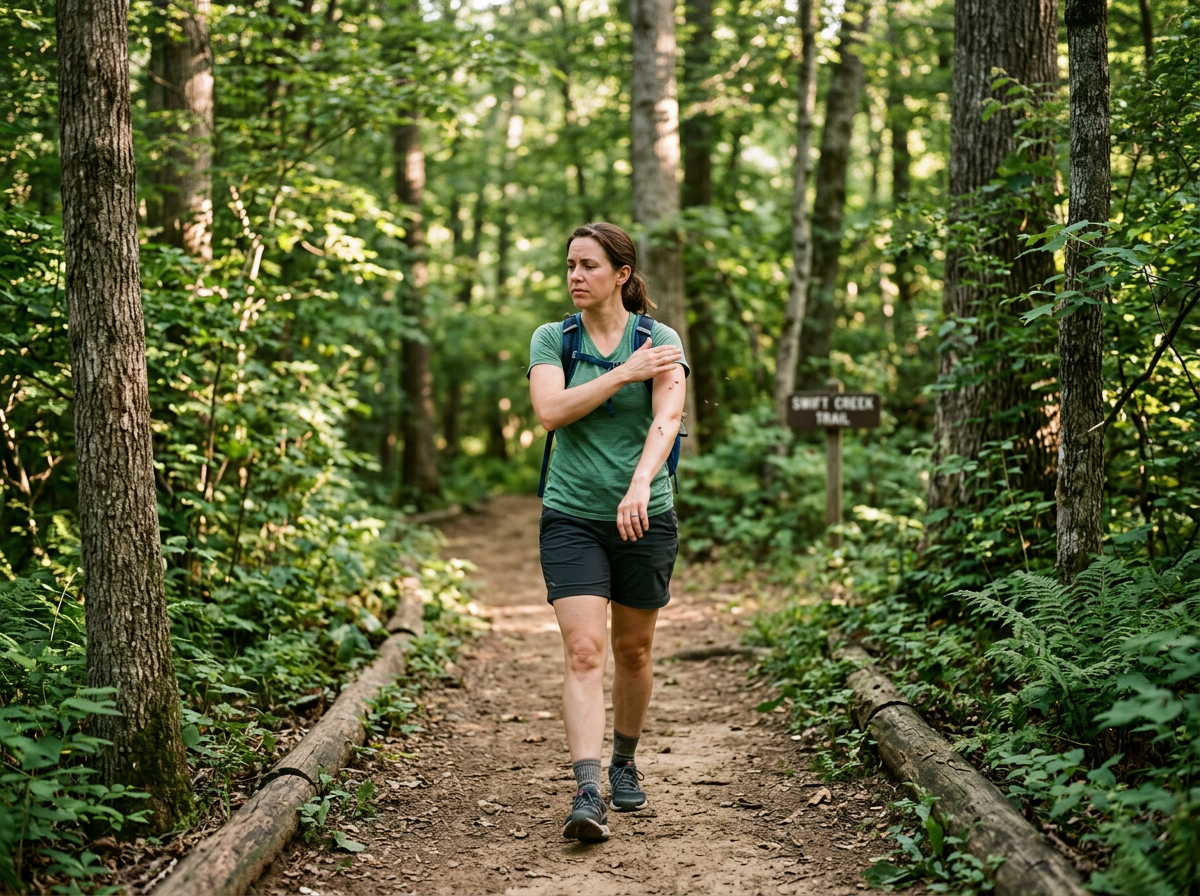
Midlothian parks and trails carry elevated mosquito activity from April through October because Aedes albopictus breeds in small water-holding containers and bites during daylight hours. These mosquitoes complete egg-to-adult development in roughly seven to ten days when temperatures stay warm. After heavy summer storms, standing water in park amenities creates new sites that allow rapid population increases. Visitors on trails near wooded edges or play areas encounter more daytime activity than those in open fields.
Park Features That Support Mosquito Populations
Midlothian trails often pass playgrounds, picnic shelters, and drainage ditches where discarded bottles, buckets, and tarps collect rainwater. Aedes albopictus needs only a bottle-cap amount of water to lay eggs, and those eggs hatch quickly once submerged. Storm drains along park paths retain water longer than surrounding soil, extending the breeding window after each rainfall. Leaf litter and overgrown vegetation along trail margins trap moisture and shield larvae from direct sun. These conditions repeat across local greenways because routine maintenance focuses on paths rather than every low spot that holds water.
Seasonal Timing and Storm Effects
Mosquito pressure in the Piedmont region rises sharply after thunderstorms between June and September. Water left in park benches, trash-can lids, and sports-field covers allows new generations to emerge within ten days. By late summer, overlapping broods mean adults remain active from morning through dusk. Cooler nights in October slow development but do not eliminate activity until sustained temperatures drop below the threshold for egg hatching. Trail users who visit after evening rains face the highest numbers because adults rest in nearby vegetation during the day.
Daytime Biting Patterns on Trails
Aedes albopictus feeds aggressively during daylight, unlike many species that wait for dusk. Hikers and cyclists on Midlothian paths notice bites on arms and legs while moving through shaded sections. Saltmarsh mosquitoes from Tidewater rarely reach this far inland, so local risk centers on container species that stay close to breeding sites. Dense understory along certain trails provides resting spots, increasing the chance of encounters when people pause at overlooks or restrooms. Wearing light-colored clothing and keeping moving reduces the time adults spend near any single person.
Reducing Exposure While Using Local Parks
Checking benches and play equipment for standing water before use limits contact with active breeding spots. Emptying or covering small containers found along the trail removes future sites without waiting for professional treatment. For homeowners near park entrances, pairing these steps with targeted mosquito control addresses the adults that fly from public land onto private property. Learning to spot common breeding locations on nearby lots further lowers the chance of bringing mosquitoes home after a visit; see the guide on identifying common mosquito breeding spots on Midlothian properties. Consistent source reduction in the immediate neighborhood keeps overall numbers lower throughout the season.